
Southeast Asian Studies BA

Bachelor of Arts · Undergraduate Major
Southeast Asian Studies BA
ABOUT THE MAJOR
Why Southeast Asian Studies?
Southeast Asian Studies majors choose their main language concentration in one Southeast Asian language in Filipino, Indonesian, Thai, or Vietnamese, while simultaneously acquiring broad cultural competence by taking courses from areas across Southeast Asia. This provides students with a combination of strong language skills and the knowledge necessary to engage with various aspects of multiple Southeast Asian societies. Students who complete this major have the linguistic and cultural competence to work in various fields related to Southeast Asia, including business, finance, trade, journalism, diplomacy, cultural institutions and non-profit organizations, education, and academia.

Learning Outcomes
01
Sociocultural and Historical Patterns
Appreciation of the region’s broader sociocultural and historical patterns
02
Commonalities of Societies
Understanding of commonalities of societies and peoples across the region
03
Distinctive Elements
Appreciation of distinctive elements, particularly between island and mainland populations
04
Historical and Cultural Developments
Understanding of cultural, historical, and social contours of a particular Southeast Asian country
05
Social Contours
Ability to assess social contours of Southeast Asian societies broadly
06
Understanding of Communities
Understanding of ways in which dynamics within communities and other social structures shape the course of events
07
Distinct Challenges
Understanding and assessment of distinct challenges that have shaped the region’s pre-modern historical trajectory
08
Complex Challenges
Understanding and assessment of complex challenges that face contemporary societies in the region
09
Religion and Society
Appreciation of the central place of religion, religious diversity, and religious conflict in Southeast Asian societies
10
Cultural Literature
Reading and assessment of cultural documents—literature, oral tales, performances—in their respective sociocultural contexts
11
Research
Conduct specialized research on Southeast Asian societies, history, or culture, making effective and critical use of primary and secondary source materials
12
Themes and Issues
Formulation of effective written and oral arguments that address important themes and issues in Southeast Asian arts and cultures, in ways that are historically appropriate and relevant
Curricular & Requirements
INFORMATION ON HERE IS NOT CORRECT! PLEASE FIX!
Lower Division Preparation
Lower Division
- Intermediate Korean: Completion of Korean 6, 6A or equivalent
- One (1) of the Korean civilization/religion courses
The Major
Upper Division (11 Courses)
- Five (5) upper division language courses in Korean
- One (1) upper division course in Korean literature
- Three (3) upper division courses on Korea
- Two (2) upper division electives in Asian, Japan, South Asia, or Southeast Asia
Plan your courses
Use the official catalog together with the department’s major worksheet to map out each quarter.
Faculty in Southeast Asian Studies
-
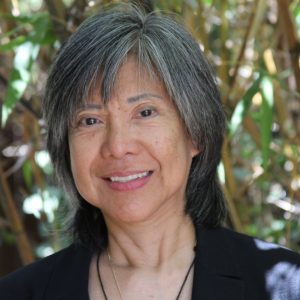
Nenita P. Domingo
Senior Lecturer
-

-
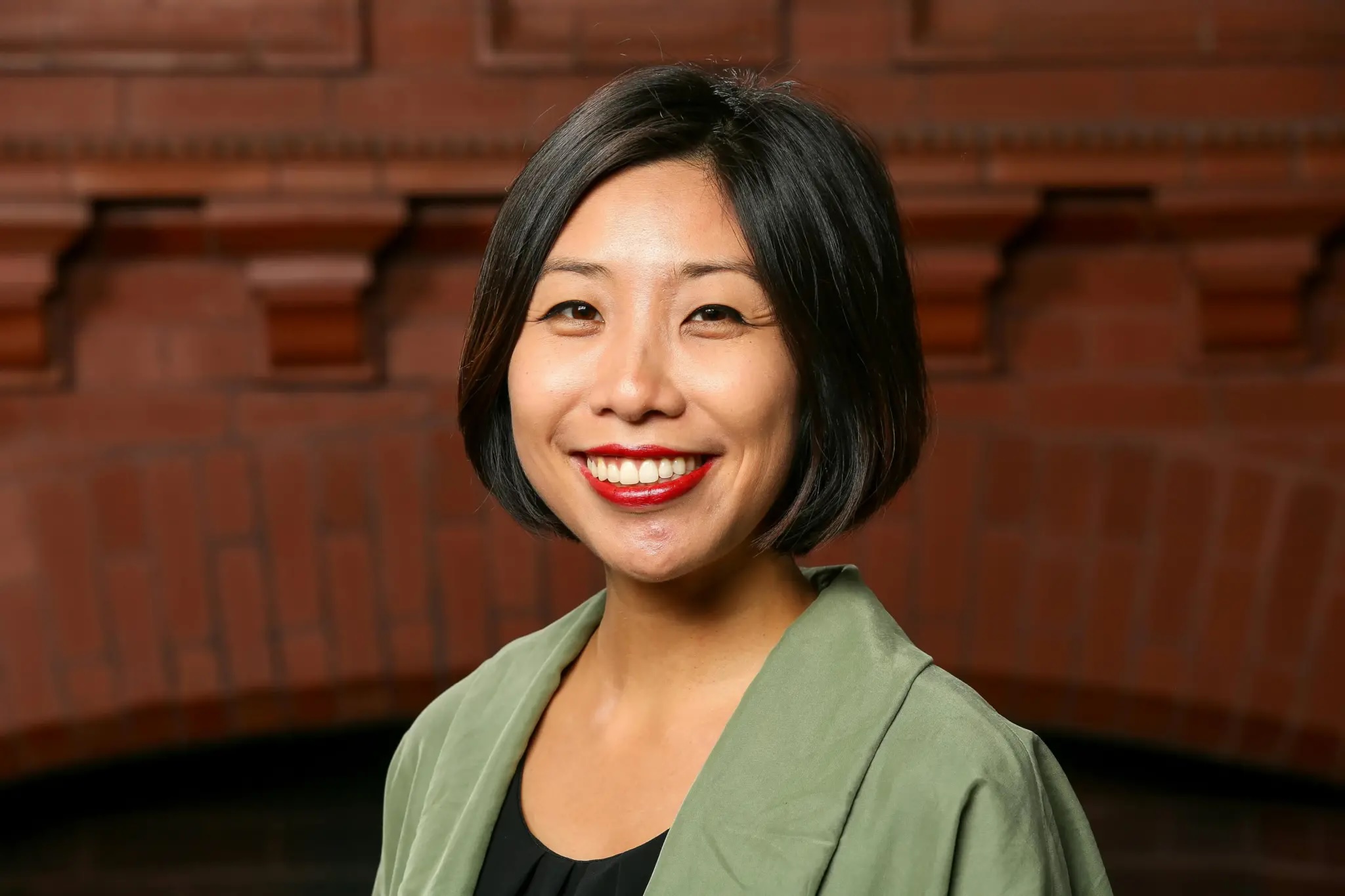
Cindy Anh Nguyen
Assistant Professor, Department of Information Studies, Digital Humanities Program
-

-

-

ADVISING
Questions about declaring or planning?
Our Undergraduate Student Affairs Officer can help you declare the major, check your progress, and plan for honors or study abroad.

RELATED PROGRAMS
HELPFUL RESOURCES