
Chinese Language

About
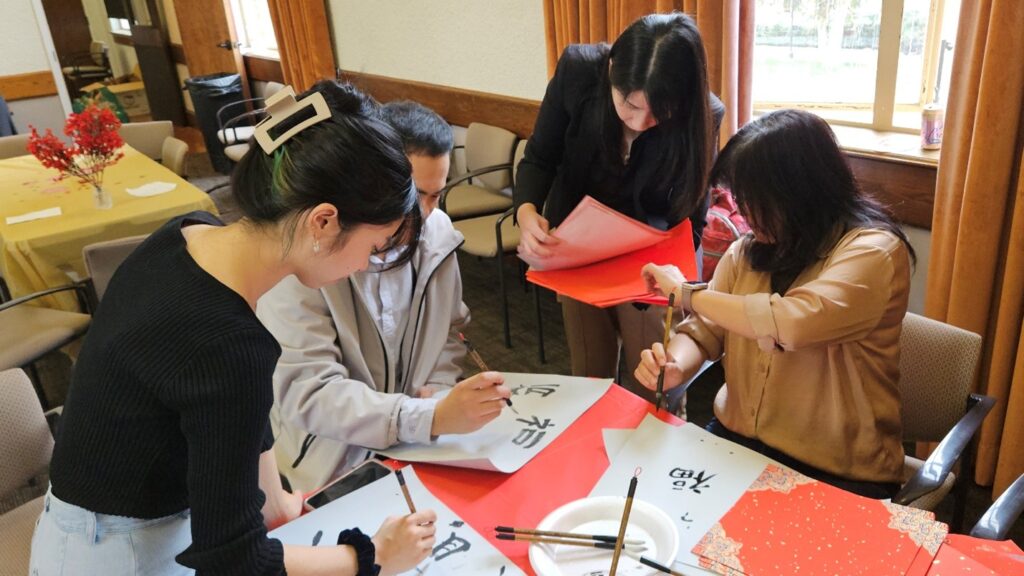
As one of the two most widely spoken languages in the world, Chinese has over one billion native speakers and a written history spanning more than 5,000 years. The standard variety, Mandarin Chinese, is the official language of the People’s Republic of China and the Republic of China (Taiwan). It also serves as a heritage language for Chinese communities across the globe.
Chinese Language at UCLA
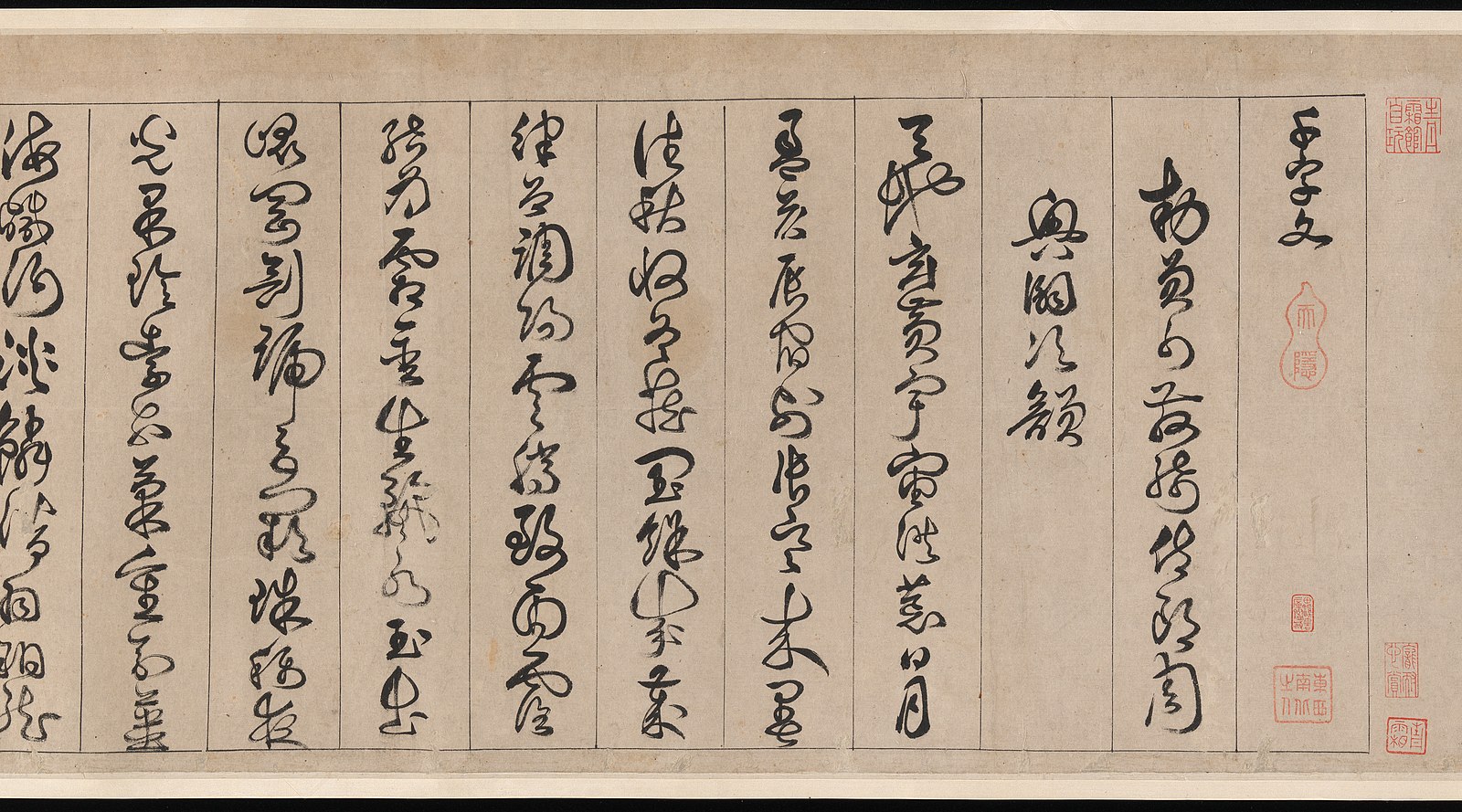
Mandarin Chinese has been taught at UCLA since the establishment of the Department of Asian Languages and Cultures (ALC) in the late 1940s, then known as the Department of Oriental Languages. Today, UCLA’s Chinese Language Program is one of the largest in the nation, offering comprehensive instruction from elementary to advanced and professional levels.
The program includes separate tracks for heritage and non-heritage learners to accommodate students with diverse linguistic backgrounds. Additional offerings beyond the core language sequence include one-year Classical Chinese, Chinese Etymology and Calligraphy, Advanced Chinese Rhetoric and Critical Thinking, and courses in Chinese linguistics.
The Chinese Language Program is designed to serve a wide range of learners while aligning with the ACTFL World-Readiness Standards for Learning Languages, emphasizing five goal areas:
- Communication: Develop proficiency in speaking, listening, reading, and writing (in simplified or traditional characters and using modern digital tools) to communicate effectively in interpersonal, interpretive, and presentational contexts.
- Cultures: Deepen understanding of Chinese cultural practices across regions and historical periods to foster intercultural competence, appreciation, and respect.
- Connections: Enrich academic and professional perspectives by connecting Chinese language study with other disciplines such as history, art, business, and global affairs.
- Comparisons: Encourage reflection on linguistic structures and cultural perspectives between Chinese and other languages, as well as among varieties of Chinese.
- Communities: Leverage Southern California’s rich Chinese language and cultural resources to extend learning beyond the classroom through study abroad, community engagement, and virtual exchanges with international partners.
Chinese Language Instructional Faculty
Curricular Roadmap
Four-Year Core Sequence
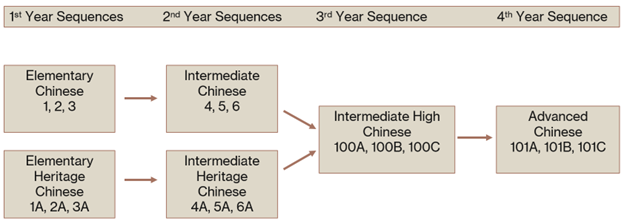
The core of the program consists of a four-year course sequence. At the elementary and intermediate levels, heritage and non-heritage tracks are offered separately to meet students’ differing needs.
- Students with no prior knowledge of Mandarin should enroll in Chinese 1 and complete the 1–2–3 series.
- Students with some background in Chinese should enroll in Chinese 1A and complete the 1A–2A–3A series.
Enrollment in courses beyond Chinese 1 requires completion of prerequisites or via a departmental placement exam.
Information about departmental placement exams is available on the Department of Asian Languages and Cultures website. Exams are typically offered at the beginning of the fall and winter quarters.
First-Year Sequence
Prerequisites: None for fall enrollment. Courses must be taken in sequence. (E.g., Chinese 2 requires Chinese 1; Chinese 3 requires Chinese 2 or placement exam.)
| Course Title | Fall | Winter | Spring |
| Elementary Modern Chinese | Chinese 1 | Chinese 2 | Chinese 3 |
| Elementary Chinese for Advanced Beginners | Chinese 1A | Chinese 2A | Chinese 3A |
Second-Year Sequence
Prerequisites: Completion of First-Year Sequence (Chinese 3 or 3A) or placement exam. Courses must be taken in sequence. (E.g., Chinese 5 requires Chinese 4 or placement exam.)
| Course Title | Fall | Winter | Spring |
| Intermediate Modern Chinese | Chinese 4 | Chinese 5 | Chinese 6 |
| Intermediate Modern Chinese for Advanced Students | Chinese 4A | Chinese 5A | Chinese 6A |
Third-Year Sequence
Prerequisites: Completion of Second-Year Sequence (Chinese 6 or 6A) or placement exam. Courses must be taken in sequence. (E.g., Chinese 100B requires Chinese 100A or placement exam.)
| Course Title | Fall | Winter | Spring |
| Advanced Modern Chinese | Chinese 100A | Chinese 100B | Chinese 100C |
Fourth-year Sequence
Prerequisites: Completion of Third-Year Sequence (Chinese 100C) or placement exam. Courses may be taken out of sequence.
| Course Title | Fall | Winter | Spring |
| Fourth Year Chinese | Chinese 101A | Chinese 101B | Chinese 101C |
Advanced Electives
The program also offers advanced electives beyond the four-year core sequence:
- Chinese 102A–102B: Advanced Chinese for International Business. Courses may be taken out of sequence.
- Chinese 105A–105B: Advanced Chinese Rhetoric and Critical Thinking. Designed for students with secondary-level or equivalent education in Chinese. Enrollment requires a placement test. Courses may be taken out of sequence.
Related Non(modern) Chinese Courses
- Chinese 110A-110B-110C: Classical Chinese
- Chinese 187: Chinese Etymology and Calligraphy