
Asian Languages and Linguistics BA

Bachelor of Arts · Undergraduate Major
Asian Languages and Linguistics BA
ABOUT THE MAJOR
Why Asian Languages and Linguistics?
As Asia continues to shape global economics, technology, and culture, understanding its languages, culture, and societies through linguistic insights provides deep access to one of the world’s fastest-growing and most diverse regions.
The B.A. in Asian Languages and Linguistics (ALL) is one of the few programs of its kind in the nation. It focuses on two closely related areas of linguistics. The first is the socio-culturally situated study of Asian languages, which examines language as it is used in real-life contexts—how speakers use language and how language, culture, and society shape and reinforce one another. The second area is language pedagogy, which encompasses core principles of language acquisition, teaching techniques, and research-informed best practices in Asian language education, with a focus on experiential and collaborative learning.
Graduates of the ALL program will develop advanced proficiency in an Asian language, along with analytical skills for examining authentic language use and culturally nuanced communication from a comparative perspective. They will also gain knowledge of Asian language pedagogy and have opportunities to apply linguistic theory to practical teaching contexts.

Learning Outcomes
01
Language Proficiency
Attain advanced proficiency in at least one Asian language—spoken, written, and new media—through upper-division coursework and practice.
02
Linguistics Analysis
Apply usage-based linguistic principles to analyze the structure, use, and social interactional functions of Asian languages.
03
Cross-Language Comparison
Demonstrate understanding of similarities and differences among Asian languages through comparative linguistic study.
04
Cultural and Historical Context
Interpret Asian texts and communicative practices within their historical, literary, and cultural contexts.
05
Research and Methodology
Conduct linguistic research using appropriate methods and theoretical frameworks most relevant to social-culturally informed usage-based Asian linguistics.
06
Pedagogical Competence
Develop skills in language teaching methodologies for Asian languages, integrating linguistic insight and cultural awareness.
Curriculum and Requirements
The Asian Languages and Linguistics major is structured around the following sets of curricular requirements.
- Lower Division Preparation: Complete intermediate-level proficiency (course 6, 6A, 10, or equivalent) in one Asian language, Linguistics 20 (Introduction to Linguistic Analysis), and one approved Asian civilization or religion course—all with a minimum grade of C and a 2.5 GPA.
- Language Core: Take five upper-division courses in one Asian language, or three in the primary language plus two in a secondary Asian language, from approved advanced-level course offerings.
- Linguistics and Pedagogy Core: Complete two Asian linguistics courses, Asian 100 (Methods in Asian Linguistics), and Asian 104 (Asian Language Pedagogy) to build analytical, methodological, and teaching competencies.
- Electives and Honors Option: Choose two upper-division electives from Asian Languages and Cultures or Linguistics. High-achieving students (3.5 departmental GPA) may apply for the Honors Program by Winter Quarter of junior year.
All students who wish to take an Asian language course at UCLA must take the appropriate language placement exam. The exam determines which course is most appropriate for the student’s current level of proficiency. Students who have obtained college credit for a class may not repeat those courses for credit.
Plan your courses
Use the official catalog together with the department’s major worksheet to map out each quarter.
Faculty in Asian Languages and Linguistics
-

-
Jane Choi
Senior Lecturer
Korean Language and Functional Linguistics, Second/Foreign Language Education
-
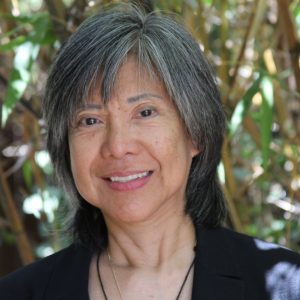
Nenita P. Domingo
Senior Lecturer
-
-
-

-

-
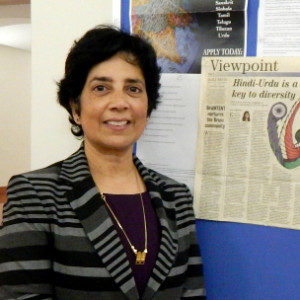
Gyanam Mahajan
Teaching Professor, Language Program Coordinator (S.E. Asia)
Phonology and Areal Linguistics, Pedagogy
-

-
Yoko Nogami
Lecturer
-
-
-
-

-
-

-

-

ADVISING
Questions about declaring or planning?
Our Undergraduate Student Affairs Officer can help you declare the major, check your progress, and plan for honors or study abroad.

RELATED PROGRAMS
HELPFUL RESOURCES